
Backup Power Sized to Your Panel
Generator Installations in Spearfish for homes and businesses that lose power to wells, furnaces, refrigeration, or equipment during an outage
A power outage at a property with a well pump, electric heat, or a walk-in cooler stops more than the lights. Canyon Electric installs generators that keep those circuits running, starting with an assessment of your home or business electrical panel to decide what size unit you need. In Spearfish, that matters for in-town homes and businesses as well as rural properties at the end of a long service line, where restoring power can take hours or days.
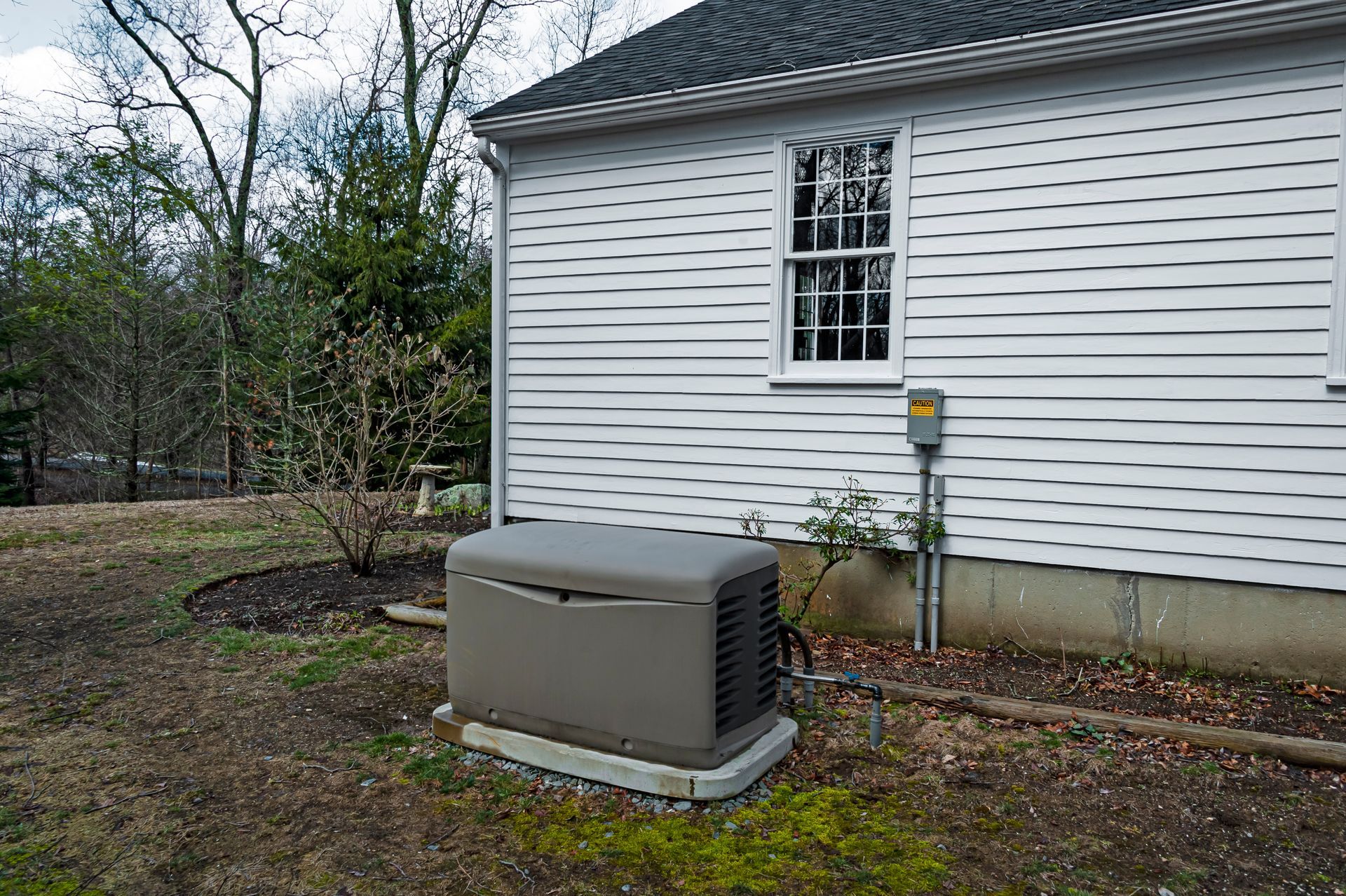
The installation covers the full job: evaluating your panel and current load, setting the unit, and running all necessary wiring and conduit from the generator to your main panel. The generator connects through an approved transfer switch or disconnect, so power switches over automatically or manually during an outage, and the system is tested before the job is finished.
Set up a panel and load review so the generator can be sized to the circuits you actually need to keep running.
How a Generator Installation Is Done Correctly
Sizing starts with a load calculation, which adds up the running and starting demand of everything the generator will power, such as a well pump that pulls a heavy surge on startup. You then decide between whole-property coverage and a smaller set of critical circuits, and that choice sets the generator size, the transfer switch type, and how the panel is wired.
Once the system is in, an outage no longer means guessing which breakers to flip or running extension cords through a window. With an automatic transfer switch, the generator starts on its own and picks up the load, and with a manual setup you move one switch and the selected circuits come back on.
Canyon Electric is licensed and insured, and the transfer equipment is what keeps generator power from feeding back onto utility lines where line workers could be hurt. Older homes may need panel upgrades or added breaker space before a transfer switch fits, while newer construction usually has room, and that is identified during the first evaluation.
Answers About Installing Backup Power
These questions cover sizing, wiring, and what you should see once the generator is connected and tested.
What determines the right generator size?
The size comes from a load calculation of the circuits you want powered, including the startup surge of motors such as well pumps, furnace blowers, and compressors.
Why is a transfer switch required?
A transfer switch or approved disconnect isolates your property from the utility grid, so the generator cannot backfeed into the power lines.
How does the age of a Spearfish home change the installation?
Older homes often have smaller panels with few open breaker spaces, so the panel may need updating before the transfer switch and generator circuits can be added.
What happens during the final test?
The system is run under load, the transfer switch is cycled, and each backed-up circuit is checked to confirm it receives generator power.
How should you maintain a generator after installation?
Follow the manufacturer's schedule for oil, filters, and exercise runs, and keep the area around the unit clear so air can move and exhaust vents away from windows.
Every installation ends with a full system test, so you see the generator pick up your circuits before anyone leaves; ask Canyon Electric for an on-site generator assessment to start the planning.