
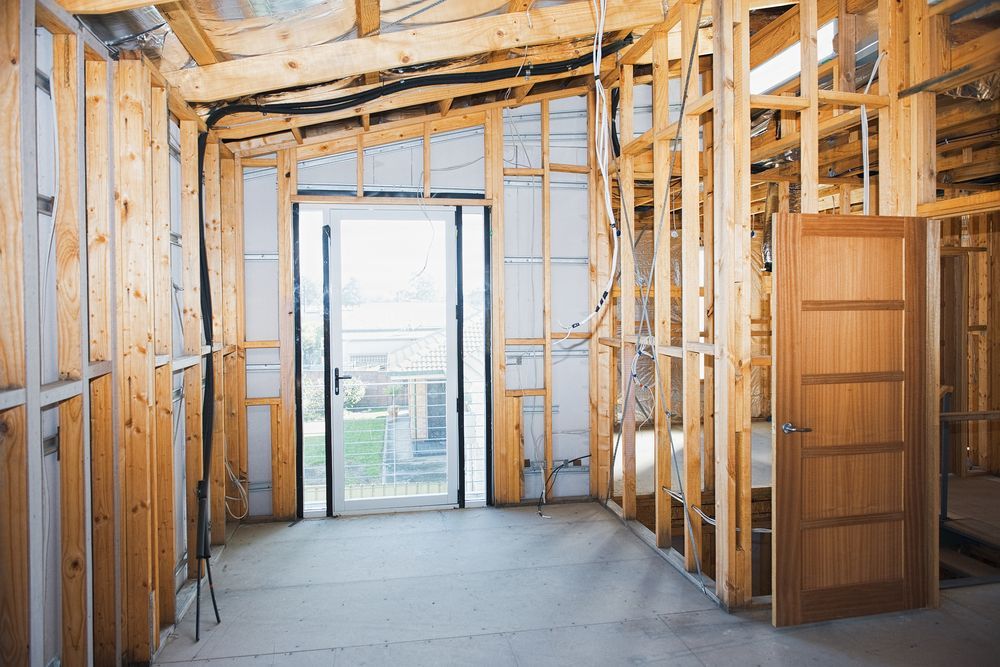
Additions Wired Without Overloading Existing Circuits
Home addition wiring in Spearfish for properties where original panel installations cannot carry the load of new living space
Panels installed in Black Hills homes decades ago were sized for the electrical demand of that era—fewer appliances, no EV chargers, and heating systems that did not depend on high-amperage electric equipment. Adding a room, garage bay, or finished basement to one of these properties introduces circuits the original service was never calculated to carry. Canyon Electric evaluates your existing electrical panel to determine whether capacity exists for new addition circuits, and installs a subpanel when load management across the property requires a secondary distribution point.
The evaluation begins with a load calculation that compares current panel amperage against total existing and planned demand. If the main panel has available amperage and open breaker slots, new circuits can be extended directly to the addition. When neither condition is met—which is common in Spearfish homes originally built with 60 or 100-amp service—a subpanel positioned closer to the new space acts as a secondary service point, distributing load more efficiently without requiring a full main panel replacement in every case. Outlet and switch placement is planned to match the addition's intended use and to accommodate future needs without requiring rework.
Schedule a panel evaluation with Canyon Electric to determine the most direct path to powering your addition correctly.
The Difference Between Extending Circuits and Installing a Subpanel
Extending circuits from an existing panel to an addition works cleanly when the panel has both the physical slots and the amperage headroom to absorb new load. A subpanel becomes the better solution when the main panel is full or when the addition is located far enough from the main service entrance that long wire runs would result in voltage drop outside acceptable limits. Canyon Electric assesses both conditions—capacity and distance—before recommending which approach fits your specific property layout.
After wiring is complete, you will have circuits matched to each area of the addition: general-purpose outlets on correctly sized branch circuits, dedicated circuits where appliances or equipment require them, and switching arranged so lighting in new spaces is controlled independently from existing rooms. The panel or subpanel will have labeled breakers identifying each new circuit so future service or troubleshooting does not require tracing unmarked wiring through walls.
Additions that include kitchens, bathrooms, or laundry areas introduce code-required circuits that differ from standard bedroom or living space wiring—GFCI protection, dedicated appliance circuits, and exhaust fan wiring are all scoped based on the addition's specific function rather than applied uniformly regardless of room type.
Answers to Frequent Home Addition Electrical Questions
Homeowners planning additions in Spearfish and across the Black Hills typically want to understand the panel capacity question before construction begins, since that answer affects both budget and scope.
How is it determined whether my existing panel can handle the addition's electrical load?
A load calculation totals existing circuit demand against your panel's rated service amperage and compares that against the addition's planned circuit requirements—the math determines whether headroom exists or whether a subpanel or panel upgrade is necessary.
What is the practical advantage of a subpanel over running all circuits back to the main panel?
A subpanel located near the addition shortens individual circuit runs, reduces voltage drop over distance, and consolidates the addition's breakers in a location closer to where those circuits actually serve, making future service work more straightforward.
Why do Black Hills homes built before 1980 frequently need electrical work before an addition can be wired?
Service entrance equipment from that era was commonly rated at 60 or 100 amps—a capacity that modern appliance loads, HVAC systems, and addition circuits can exceed even before accounting for future equipment like EV chargers.
When does an addition require dedicated circuits rather than standard branch circuits?
Any appliance that draws continuous high amperage—electric ranges, dishwashers, dryers, and mini-split heat pumps—requires its own dedicated circuit sized specifically for that equipment rather than shared wiring with general outlets.
What documentation is provided after wiring is complete?
All new circuits are labeled at the panel, and Canyon Electric provides a free estimate before work begins that outlines the full scope so the completed installation matches what was agreed upon from the start.
Canyon Electric is licensed, insured, and offers free estimates for home addition wiring projects in Spearfish and surrounding communities. Call (605) 639-0505 to set up a panel evaluation before your addition framing begins.